
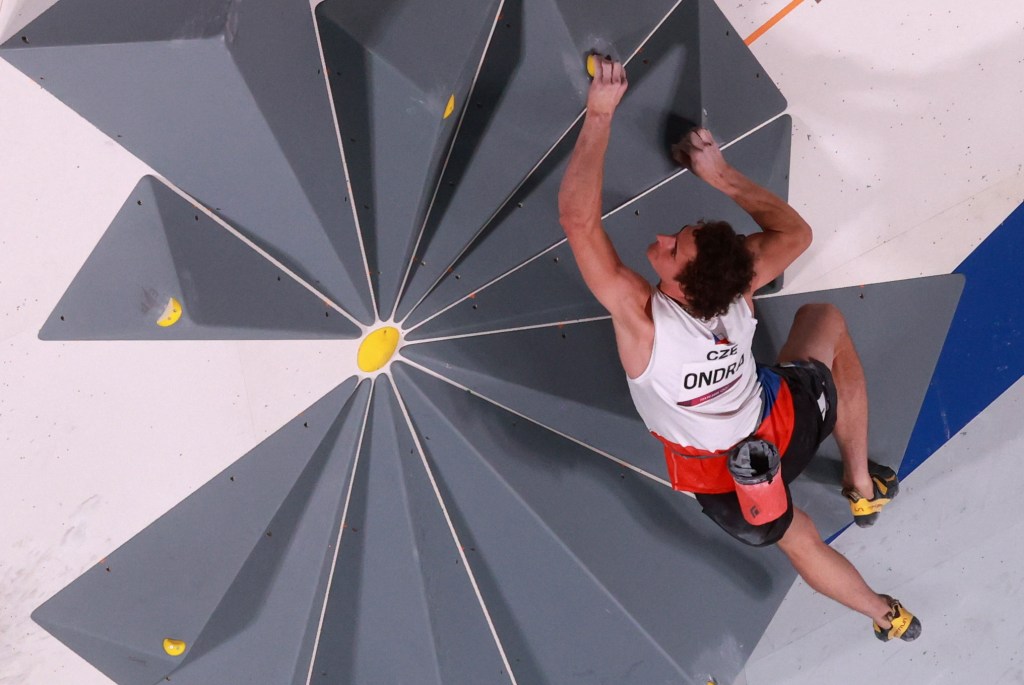
Since it’s introduction into the postponed Tokyo Olympics in 2021, climbing has seen a dramatic surge in popularity.
Whether that’s people following the sport and it’s dynamic personalities on social media or taking themselves to their local gym to have a go themselves.
With a new generation of climbers entering the sport at it’s height in popularity it has brought in many exciting faces and created exciting opportunities for the sport going forward.
Climbing has been involved in the last two olympics and is set to be featured in the LA Olympic games in 2028. In that time however, the sprot changed drastcially.
The Tokyo games saw each climbing discipline collectively brought together in one category.
Climbers had to compete in Speed, Bouldering and Lead at the Tokyo games creating a large disadvantage for many of the participants with the likes of competition favourite, Adam Ondra, who was 28-years-old at the time of the games struggle. Not known for his speed climbing it meant that Ondra suffered scoring 48 points and claiming 6th place.
However at the 2024 Paris games this saw a format much closer to the National and World Cup competitions where speed climbing was a category in itself with Boudlering and Lead being put together as one event for their similarities in technical skills.
Bouldering is better known for it’s dynamic and explosive movement compared to the slow and static movement that lead climbing may require. The skills however are rather interchangable for the most part.
As a result, Toby Roberts M.B.E, who was 19 at the time of the games and competed for Great Britain. He claimed Gold and is the first Brit to see success at that stage in the sport. One of the youngest at the olympics that year to see a medal nevermind gold, he fended off a very experienced roster.
Japanese climber Sorato Anraku (17) claimed a silver medal at the games and the experienced Austrian bouldering specialist Jakob Schubert (33) saw a bronze medal for the second time at the games.
In the Women’s Competition however, there was no surprises. Unlike the men’s competitions, World Cup, National’s, Olympics etc. One name has dominated for many years and the Olympics has not changed that fact.
Slovenian, Janja Garnbret (26) has been the undisputed G.O.A.T of climbing for many years now and with 10+ years as world champion, 2 gold medals and 49+ world cup victories she is unstoppable and the LA games will be no different.
While he is unsure that he will compete again at an Olympic competition, the LA28 games will set the mark for the next generation of climbers with the likes of Adam Ondra, Janja Garnbret and Jakob Schubert passing the torch over for the next generation. Although this may be unlikely for Janja, she doesn’t seem to be slowing down any time soon.
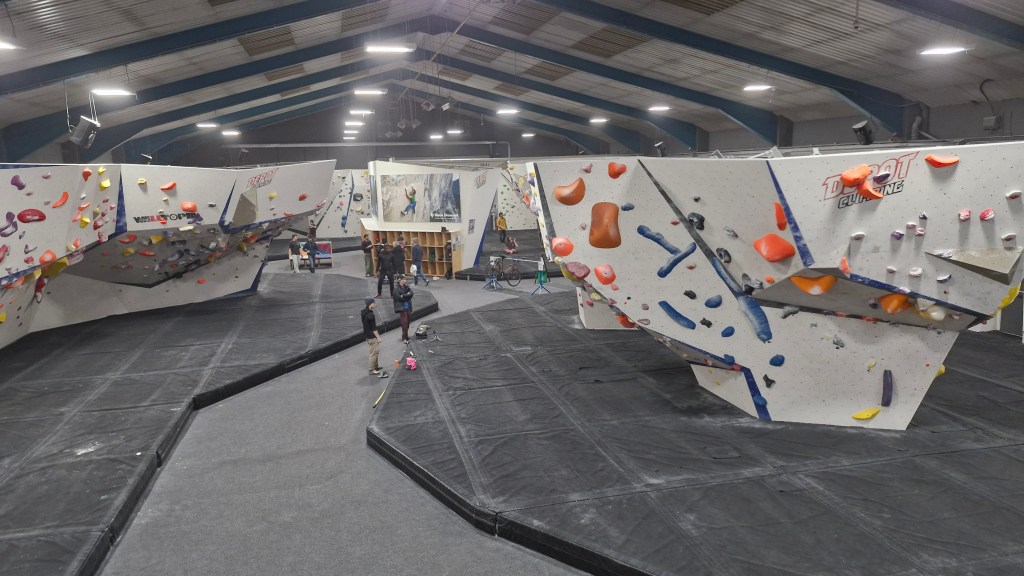
It’s been five years now since climbing was introduced into the Olympics and it’s clear that many saw the ability of these athletes old and young and felt that they had to give it a go. Myself included. Every time I go to the climbing gym I see kids as young as 5 climbing 20 meter walls and after each Olympics the gym only seems to get busier.
After the LA games we can only hope that it increases the likely hood of climbing becoming a sport that is recognised and engaged with worldwide, it seems as though this is just the beginning of many years of popularity.

 VERT
VERT 
Leave a comment